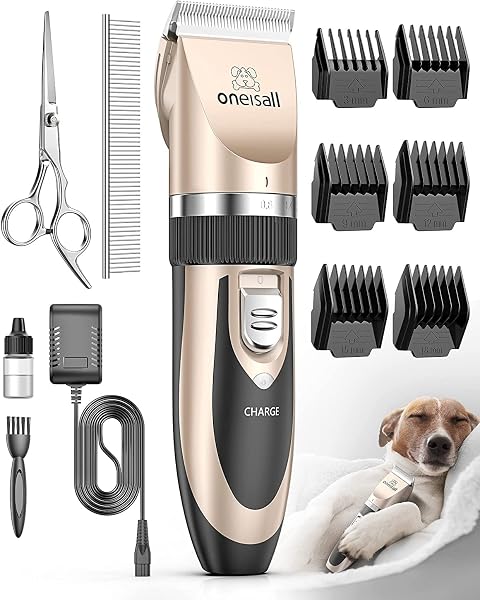
Dog Clippers vs Human Clippers: Key Differences, Safety, and Which One to Choose
Dog clippers vs human clippers: learn how blades, motors and safety differ, and whether you can use human clippers on your dog.
On this page
When comparing dog clippers vs human clippers, the biggest difference is how each machine is designed to cut hair. Dog grooming clippers are developed to handle different dog coat types, including thick fur, curly hair, dense undercoats, and long coats. Human hair clippers are primarily designed for cutting and styling human hair.
Although both machines may look similar, their blade design, cutting teeth, motor speed, and grooming applications can differ significantly. Using the wrong equipment may result in hair pulling, uneven trimming, clipper overheating, or skin irritation.
Understanding these differences can help you choose the right grooming equipment and make dog grooming at home safer and more comfortable.
Dog Clippers vs Human Clippers: Main Differences
Dog clippers and human hair clippers serve different purposes. Dog grooming equipment must accommodate variations in fur density and hair thickness, while human clippers are generally designed for more consistent hair textures.
| Feature | Dog Clippers | Human Clippers |
|---|---|---|
| Purpose | Pet grooming | Human haircuts |
| Blade design | Different dog coat requirements | Human hair cutting |
| Blade spacing | Varies by grooming application | Designed for human hair |
| Motor power | Varies by model and coat suitability | Varies by model |
| Cutting teeth | Designed for pet grooming | Designed for human hair |
| Accessories | Pet grooming combs and blades | Haircut guards |
| Applications | Trimming and coat maintenance | Haircuts and styling |
Why Are Dog Clippers Different From Human Clippers?
Dogs have different grooming requirements depending on their breed and coat structure. Double-coated dogs have an undercoat and topcoat, while single-coated dogs have one primary layer of hair.
Curly dog coats, thick dog hair, and matted dog fur can also require specialized cutting equipment.
Human hair clippers are not generally designed to handle these variations. This is why dog clipper blades are available in different cutting lengths and configurations.
Can You Use Human Clippers on Dogs?
You can sometimes use human clippers on dogs with short, fine, and uncomplicated coats. However, they are not recommended for regular grooming of every breed.
What Happens If You Use Human Clippers on a Dog?
An unsuitable clipper may struggle with dense fur, pull hair, or require repeated passes. These problems can cause discomfort and skin irritation.
Other potential problems include:
Poor cutting performance.
Uneven trimming.
Excessive blade temperature.
Clipper overheating.
Increased grooming time.
For dogs with thick or curly coats, dedicated dog grooming clippers are generally a better choice.
Are Human Clippers Safe for Dog Grooming?
Safety depends on the clipper, blade condition, and coat type. Always check blade temperature, avoid excessive pressure, and stop if your dog shows discomfort.
Can You Use Dog Clippers on Humans?
Dog clippers can sometimes cut human hair, but they are not necessarily suitable for regular haircuts or styling.
Their blade design, blade width, and attachments may not provide the precision required for human hairstyles.
Similarly, human clipper blades should not automatically be considered interchangeable with dog clipper blades.
Features to Consider When Choosing Dog Grooming Clippers
A good dog grooming clipper buying guide should consider several important specifications.
1. Motor Speed and Motor Power
Motor speed influences how quickly the cutting mechanism operates. Motor power affects how consistently the clipper performs when handling different coat densities.
Choose equipment suitable for your dog's hair thickness and grooming requirements.
2. Blade Design and Cutting Teeth
Blade design determines how effectively the clipper cuts fur. Blade spacing and cutting teeth influence how hair enters the cutting mechanism.
Professional dog clippers offer different blade configurations for various grooming applications.
3. Blade Width and Temperature
Blade width determines the area covered during each pass.
Blade temperature is equally important. Excessive friction can cause blades to become hot, increasing the risk of skin irritation.
4. Detachable and Adjustable Blades
Detachable blades make it easier to change cutting lengths and maintain equipment.
Adjustable blade clippers offer flexibility without requiring complete blade replacement.
5. Cordless Dog Clippers
Cordless dog clippers provide flexibility during grooming. Check battery runtime, charging time, weight, and cutting performance before purchasing.
6. Noise and Vibration
Clipper noise and vibration can affect a dog's comfort. Quieter equipment may help sensitive dogs become more comfortable with grooming.
Popular Dog Clipper Brands
Several manufacturers offer professional grooming equipment and pet hair clippers.
Wahl dog clippers: Options for home and professional grooming.
Andis dog clippers: Professional grooming machines and detachable blades.
Oster dog clippers: Animal grooming equipment for different applications.
Wahl human hair clippers: Equipment designed primarily for human haircuts.
Remember that choosing the right model matters more than choosing a brand name.
Choosing the Right Clippers for Your Dog's Coat
The best clippers for home dog grooming depend on your dog's coat type.
| Coat Type | Grooming Consideration |
|---|---|
| Single-coated dogs | Suitable clippers for their hair length |
| Double-coated dogs | Breed-specific coat maintenance |
| Curly dog coats | Appropriate pet grooming blades |
| Thick dog hair | Clippers rated for dense coats |
| Long-haired dogs | Detangling before clipping |
| Short-haired dogs | Usually minimal clipping |
| Matted dog fur | Professional assessment and removal |
The best clippers for thick dog coats should have suitable motor performance and compatible blades.
For the best clippers for matted dog hair, consult a professional groomer rather than forcing a clipper through severe mats.
Dog Grooming at Home: Safety and Maintenance
Using appropriate dog grooming tools is only part of safe grooming. Proper preparation and clipper maintenance are equally important.
Essential Dog Grooming Clipper Safety Tips
Brush and detangle the coat before clipping.
Check the blades for damage.
Introduce the clipper gradually.
Avoid excessive pressure.
Monitor blade temperature.
Take breaks when necessary.
Stop if your dog experiences discomfort.
Clipper Maintenance
Regular clipper maintenance helps preserve cutting performance.
Blade lubrication: Lubricate blades according to manufacturer instructions.
Clipper oil: Use appropriate clipper oil to reduce friction.
Clipper cleaning: Remove trapped fur after grooming.
Blade inspection: Check for dullness, damage, and rust.
Clipper blade overheating prevention: Clean blades, lubricate correctly, and allow hot blades to cool.
When Is Professional Pet Grooming Necessary?
Professional pet grooming may be necessary when your dog has severe mats, sensitive skin, or a coat that requires specialized handling.
Follow veterinarian grooming recommendations if your dog has wounds, skin irritation, or medical conditions affecting its coat.
Avoid common dog grooming mistakes such as shaving double-coated breeds without understanding their coat requirements.
Related guides: Best Dog Clippers for Cocker Spaniel
Trusted sources: Dog Grooming at Home: Dos and Don’ts (AKC) · Dog Grooming Tips (ASPCA)
Frequently asked questions
Can you use human clippers on dogs?
Sometimes, for limited trimming on dogs with short, fine coats. Dedicated dog grooming clippers are generally preferable.
Can human clippers cut thick dog fur?
Some models may cut certain thick coats, but they are not generally designed for this application.
Can dog clippers cut human hair?
They may physically cut human hair, but human hair clippers are better suited to regular haircuts.
Do dogs need special grooming clippers?
Many dogs benefit from dedicated grooming equipment, particularly those with thick, curly, or long coats.
Are dog clippers different from human clippers?
Yes. Their blades, cutting configurations, accessories, and intended grooming applications differ.
Can human clippers hurt dogs?
Yes. Hot or dull blades, excessive pressure, and repeated passes can cause discomfort or skin irritation.
Final Verdict
Dog clippers vs human clippers is primarily a comparison of equipment designed for different grooming requirements. Human hair clippers are suitable for human haircuts, while dog grooming clippers are generally better equipped for the different coat types found in dogs.
Before purchasing, consider your dog's fur density, coat structure, blade requirements, and grooming frequency. Choosing appropriate equipment and following safe grooming practices can make home grooming more comfortable and effective.